Community Association Questions
Michigan HOA Frequently Asked Questions
Understand common questions about association membership, governing documents, assessments, property responsibilities, and disputes. Explore the answers below, then contact our Novi office to discuss your circumstances.
How Is an HOA Formed?
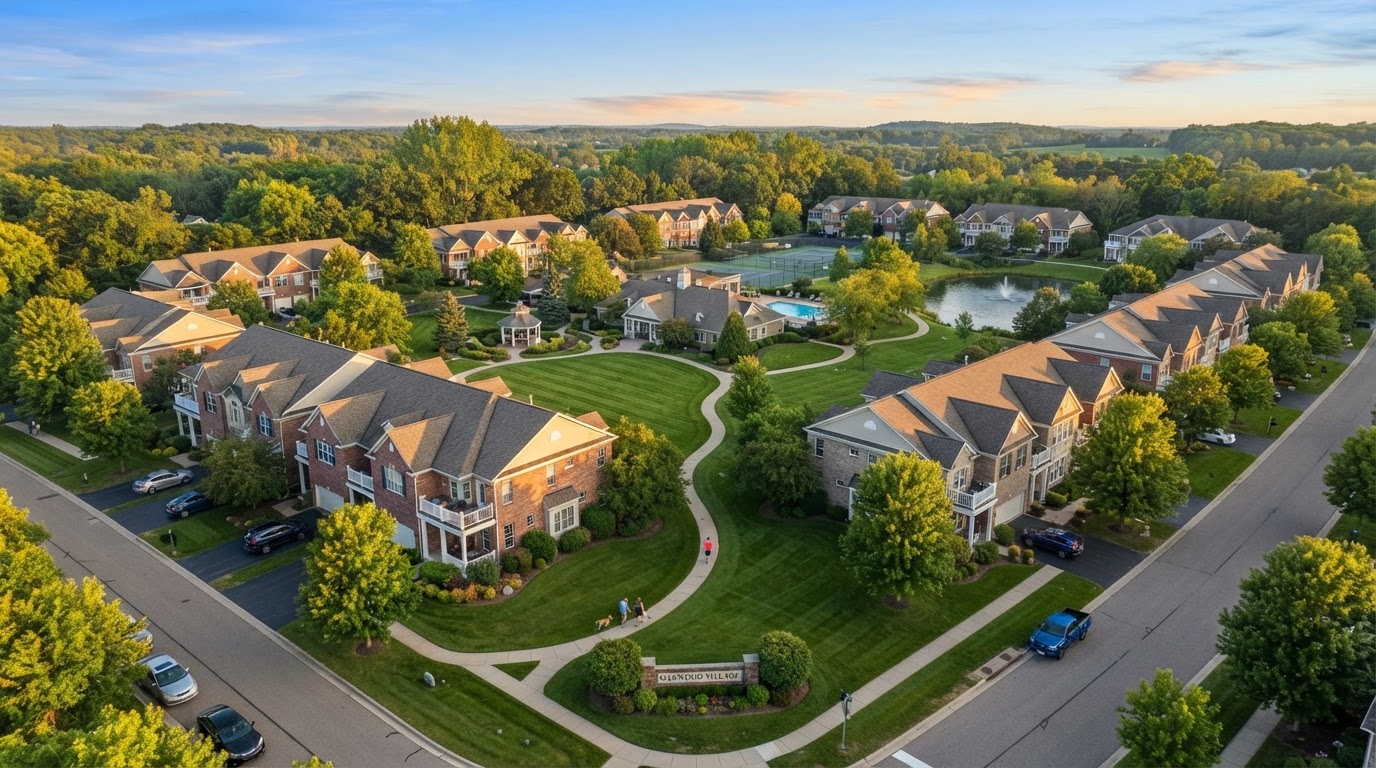
An HOA is often established when a residential development is created. The community's legal structure and governing documents help define membership, management responsibilities, and property restrictions.
In an existing neighborhood, forming an organization and making restrictions binding on property owners are separate questions that require careful review. Condominium associations also have their own legal framework and documents.
Understanding how your community is structured—and reviewing its recorded documents—is an important starting point. Tilchin & Hall, P.C. can discuss questions involving association documents and governance.
Tilchin & Hall, P.C.
Dedicated Community Association Counsel
Serving Clients Since 1978
Key Question
Do I Have To Be A Part Of My HOA?
It depends. Sometimes, buyers must agree to become part of the HOA during the transaction when they sign the closing papers. If you are part of the HOA, you can choose to be active or inactive with participation in meetings and decisions, but you are still subject to the rules. In other cases, membership may be optional.
Therefore, reading the fine print of your home purchase documents is critical. Having an attorney with you during the transaction can help you understand whether you would be subject to certain rules — and how those rules might prevent you from using the property as you intend.
Tilchin & Hall, P.C.
Community Association Counsel
Serving Clients Since 1978
Key Question
What Powers Does An HOA Have?
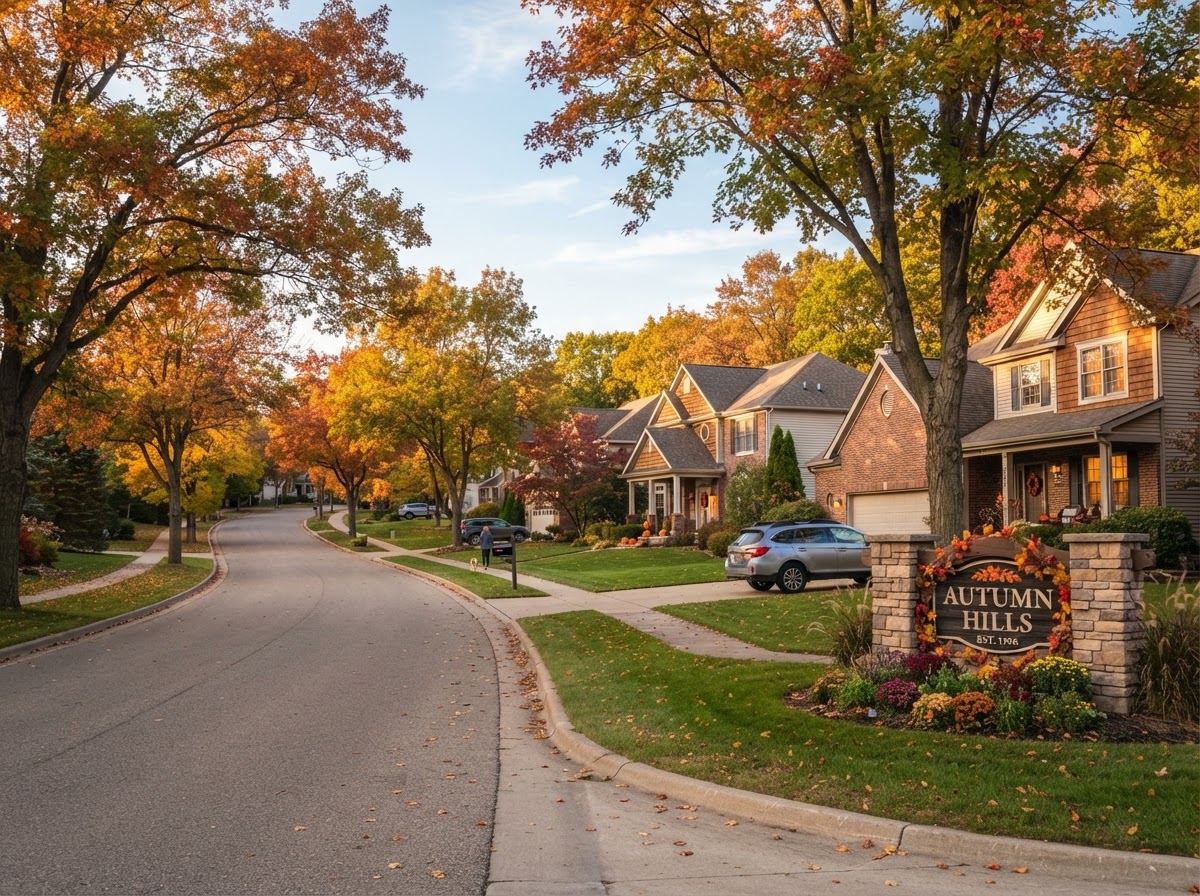
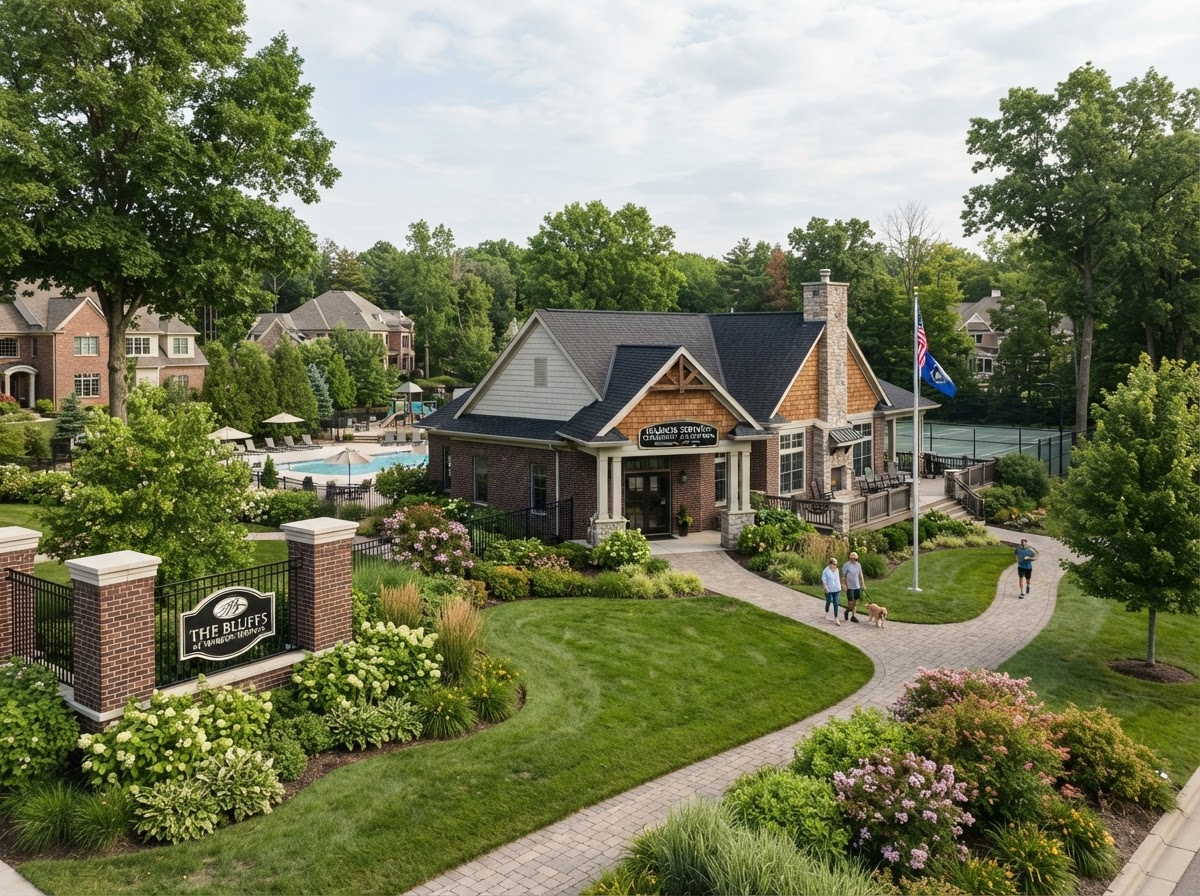
An HOA could control a variety of aspects, including:
- Maintenance of communal spaces such as paths or parks
- The external appearance of your home, including lawn care, paint color and the display of flags or symbols
- Garbage collection and management of other neighborhood services
- Restrictions on fire pits, grills, pools and outdoor activities on your property
- Whether you can rent out your home or list it on Airbnb
However, an HOA or its individual members cannot do certain things such as discriminate, breach agreements or violate HOA bylaws. The HOA is also responsible for fulfilling their obligations to its members.
Tilchin & Hall, P.C.
Community Association Counsel
Serving Clients Since 1978
Key Question
When Can An HOA Foreclose On A House?
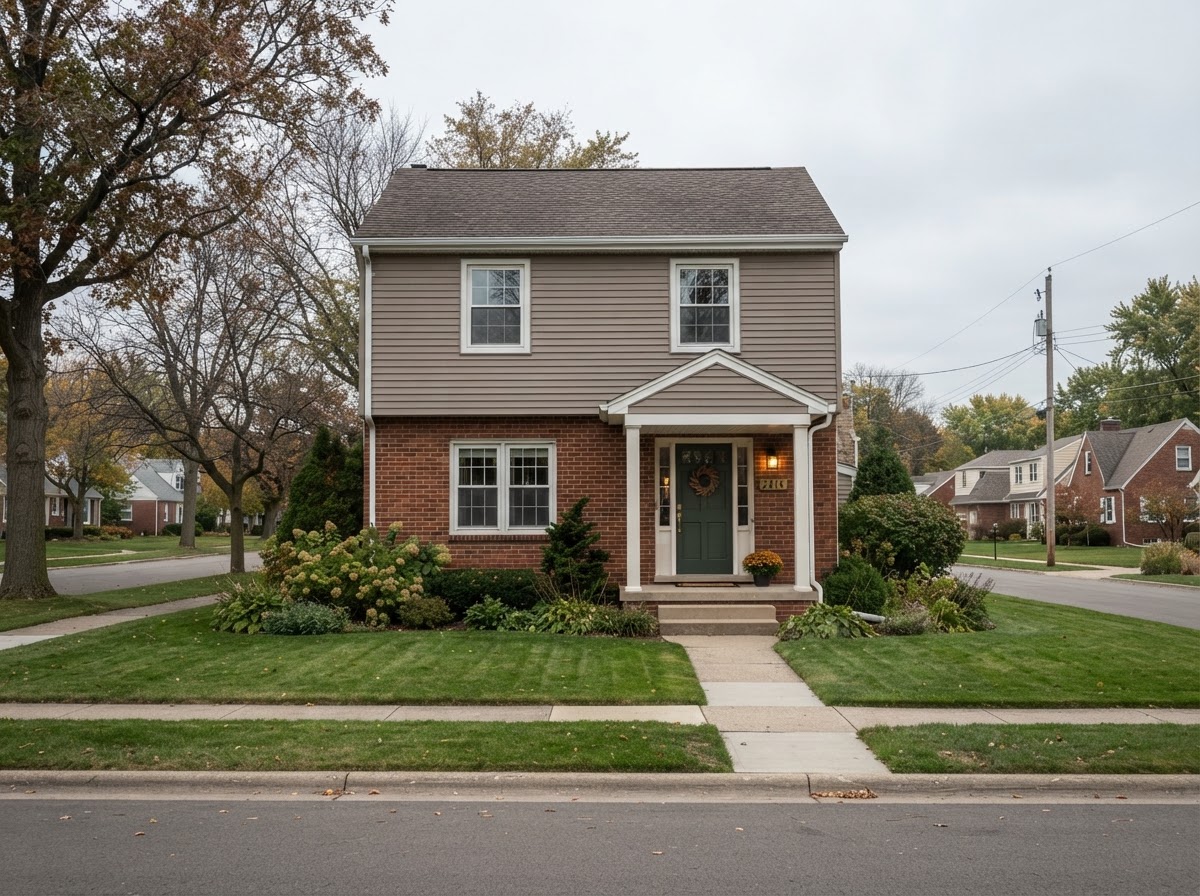
Even if you pay your mortgage payments, the HOA could foreclose your home if you do not pay the association fees. However, the HOA must follow the correct procedures to acquire a lien on the property and notify you ten days or more in advance of the foreclosure proceeding.
There may be ways to prevent foreclosure, but homeowners must act quickly after receiving notice.
Tilchin & Hall, P.C.
Community Association Counsel
Serving Clients Since 1978
More HOA Questions
More HOA Questions & Answers
Select a question to read the answer.
Membership obligations depend on the property's legal structure and recorded documents. When purchasing a home in a deed-restricted community or condominium project, membership in the association and compliance with its governing documents are typically bound to property ownership and outlined in the title or closing materials. Choosing whether to actively participate in board meetings or community events is voluntary, but the underlying obligations—such as paying assessments and adhering to recorded restrictions—remain legally binding. Reviewing recorded restrictions with an attorney before purchase helps confirm what rules apply to the property.
An association's legal authority is defined and bounded by Michigan law and its specific governing documents—such as the master deed, bylaws, declaration of covenants, and articles of incorporation. Common areas of authority include managing shared property (parks, clubhouses, private roads), establishing annual budgets and collecting assessments, enforcing aesthetic guidelines (paint colors, landscaping, structures), and regulating community conduct (parking, pets, rentals). However, an association cannot exceed the scope of its granted authority, discriminate unlawfully, or bypass procedural safeguards set out in its bylaws.
Yes, under Michigan law and most community governing documents, unpaid assessments can lead to a statutory or contractual lien against the property. Condominium associations in Michigan have specific statutory lien rights under the Michigan Condominium Act (MCL 559.208), which may ultimately be enforced through judicial or non-judicial foreclosure proceedings if delinquencies persist. Subdivision HOAs follow remedies set forth in their recorded covenants. Prior to initiating foreclosure, formal notice procedures and legal cure periods must strictly be followed. Homeowners facing delinquency or legal notices should seek prompt legal counsel.
Although both are community associations, condominium associations and subdivision HOAs operate under distinct legal frameworks in Michigan. Condominiums are created under the Michigan Condominium Act (PA 59 of 1978) and involve co-ownership of 'common elements' (building exteriors, grounds, shared utilities) alongside individual unit ownership. Subdivision HOAs typically govern single-family lot developments bound by recorded covenants and restrictions, where individual owners own their lot and home in full, while the HOA maintains designated common parks or entryways. Identifying whether your property is a condominium or subdivision determines which statutes and documents govern your rights.
Community associations are governed by a hierarchy of legal instruments. For condominiums, primary documents include the recorded Master Deed, Condominium Bylaws, Condominium Subdivision Plan, Articles of Incorporation, and Association Rules & Regulations. For subdivision HOAs, key documents include the Declaration of Covenants, Conditions & Restrictions (CC&Rs), Corporate Bylaws, Articles of Incorporation, and architectural guidelines. Every owner and board member should refer to the specific recorded versions in their county's register of deeds.
Yes, but the process and approval requirements depend on what is being changed. Board-adopted Rules and Regulations generally address operational details and can often be updated by a vote of the Board of Directors, provided they do not conflict with higher governing documents. Amending recorded Master Deeds, Bylaws, or CC&Rs usually requires formal written approval from a specified supermajority of co-owners or lot owners (such as 66.67% or 75%) and, in condominiums, may also require mortgagee approval and formal recording with the county register of deeds.
Yes. Annual operating assessments are determined through the association's annual budgeting process overseen by the Board of Directors to cover routine maintenance, insurance, management, and reserve contributions. When unbudgeted expenses arise—such as unexpected roof repairs, road resurfacing, or major capital improvements—the Board or membership (depending on document terms) may levy a special assessment. Governing documents set the specific conditions, notification timelines, and any owner voting thresholds required for special assessments.
Maintenance responsibilities are detailed in the community's governing documents, often in a Maintenance Responsibility Matrix or within the Bylaws. In condominiums, components are categorized as General Common Elements (maintained by the association), Limited Common Elements (shared or dedicated, where maintenance or costs may be assigned to specific co-owners), or Individual Unit components (maintained by the owner). In subdivision HOAs, owners maintain their lot and home, while the HOA manages common greenbelts, retention ponds, and entry features.
In most deed-restricted communities and condominiums, exterior modifications—such as adding a fence, deck, patio, solar panels, satellite dish, exterior paint, or major landscaping—require advance review and written approval from an Architectural Control Committee (ACC) or the Board of Directors. The application process ensures changes comply with community design standards, safety rules, and structural guidelines before work begins.
Yes. Michigan community associations frequently regulate or limit residential leasing to preserve owner-occupancy rates and community character. Leasing provisions in bylaws or CC&Rs may require board approval of lease agreements, limit the total percentage of units that can be rented at one time, impose minimum lease terms (such as 30 days or 1 year), or prohibit short-term vacation rentals (such as Airbnb or VRBO). Enforcing rental restrictions requires strict adherence to recorded document language.
Community disputes are best addressed early through formal communication, administrative reviews, or internal dispute resolution procedures set forth in the bylaws. When direct discussions or board hearings do not resolve an issue, parties may consider formal mediation or civil litigation. Tilchin & Hall, P.C. assists boards and individual owners with bylaw enforcement, informal resolution strategies, civil mediation, and court proceedings when formal action is required.
Since 1978, Tilchin & Hall, P.C. has served as trusted legal counsel to Michigan condominium and homeowners associations, board members, property developers, and individual owners. Our attorneys assist with governing document reviews and amendments, assessment collections and liens, bylaw enforcement, contract negotiations, board governance, civil litigation, and neutral mediation services. Contact our Novi office at 248-349-6203 to discuss how we can assist your community.
Have a Specific Question About Your Community?
Whether you are a board member, community manager, or property owner, Tilchin & Hall, P.C. can review your recorded documents and advise on your specific circumstances.